Sweating is completely natural—but dealing with body odor and excessive sweat can be frustrating, embarrassing, and sometimes even affect confidence. The good news? With the right routine and products, you can effectively manage both sweat and odor.
In this complete guide, we’ll break down the science of sweating, explain how odor forms, and give you a step-by-step sweat & odor management routine—including the best products for each step.
What Causes Sweat & Body Odor?
Before jumping into solutions, it’s important to understand the root cause.
Sweat itself is actually odorless. The smell happens when sweat interacts with bacteria on your skin, especially in areas like the underarms.
There are two types of sweat glands:
- Eccrine glands → produce watery, odorless sweat for cooling
- Apocrine glands → produce thicker sweat that bacteria break down into odor-causing compounds
👉 In short: odor = sweat + bacteria
Deodorant vs Antiperspirant: What’s the Difference?
Understanding this is key to choosing the right product:
- Deodorant → fights odor by killing bacteria or masking smell
- Antiperspirant → reduces sweat by blocking sweat glands
👉 If you sweat heavily → choose antiperspirant
👉 If odor is your main issue → choose deodorant
The Ultimate Sweat & Odor Management Routine
Step 1: Cleanse Properly (Daily Hygiene)
The foundation of odor control starts in the shower.
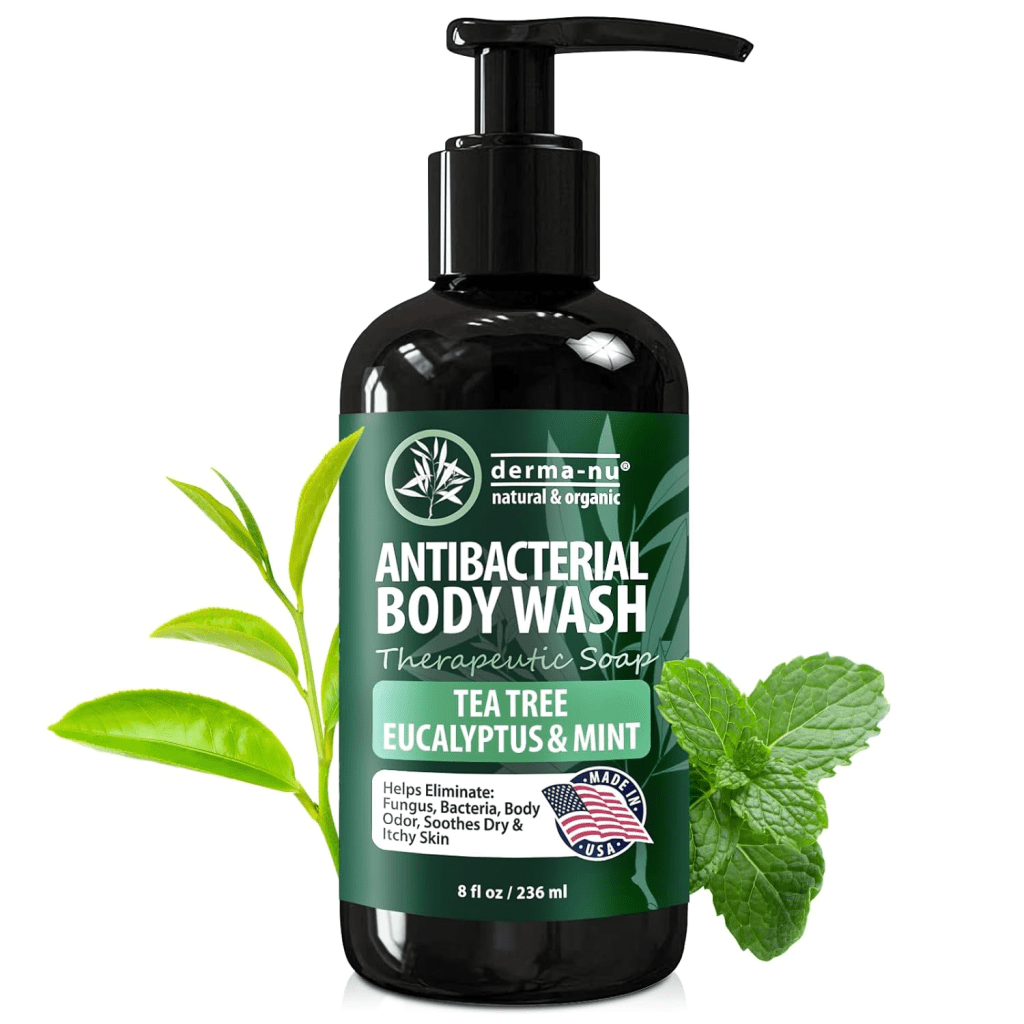
Using an antibacterial body wash helps remove odor-causing bacteria before they multiply.
Recommended Product
Top-rated Antibacterial Body Wash. A top-selling antibacterial body wash to reduce odor-causing bacteria at the source.
💡 Pro Tip: Focus on high-sweat areas:
- Armpits
- Groin
- Feet
Daily washing significantly reduces bacteria buildup and helps prevent odor before it starts.
Step 2: Exfoliate Weekly (Remove Buildup)
Dead skin cells trap bacteria and worsen odor. Exfoliating 1–2 times per week keeps your skin clean and balanced.
Benefits:
- Reduces bacterial growth
- Improves deodorant effectiveness
- Prevents clogged pores
👉 Look for products with:
- AHAs (glycolic acid)
- Salicylic acid
Step 3: Use a Clinical-Strength Antiperspirant (For Sweat Control)
If you struggle with excessive sweating, this is your most important step.
Antiperspirants contain aluminum salts that temporarily block sweat glands and reduce moisture.
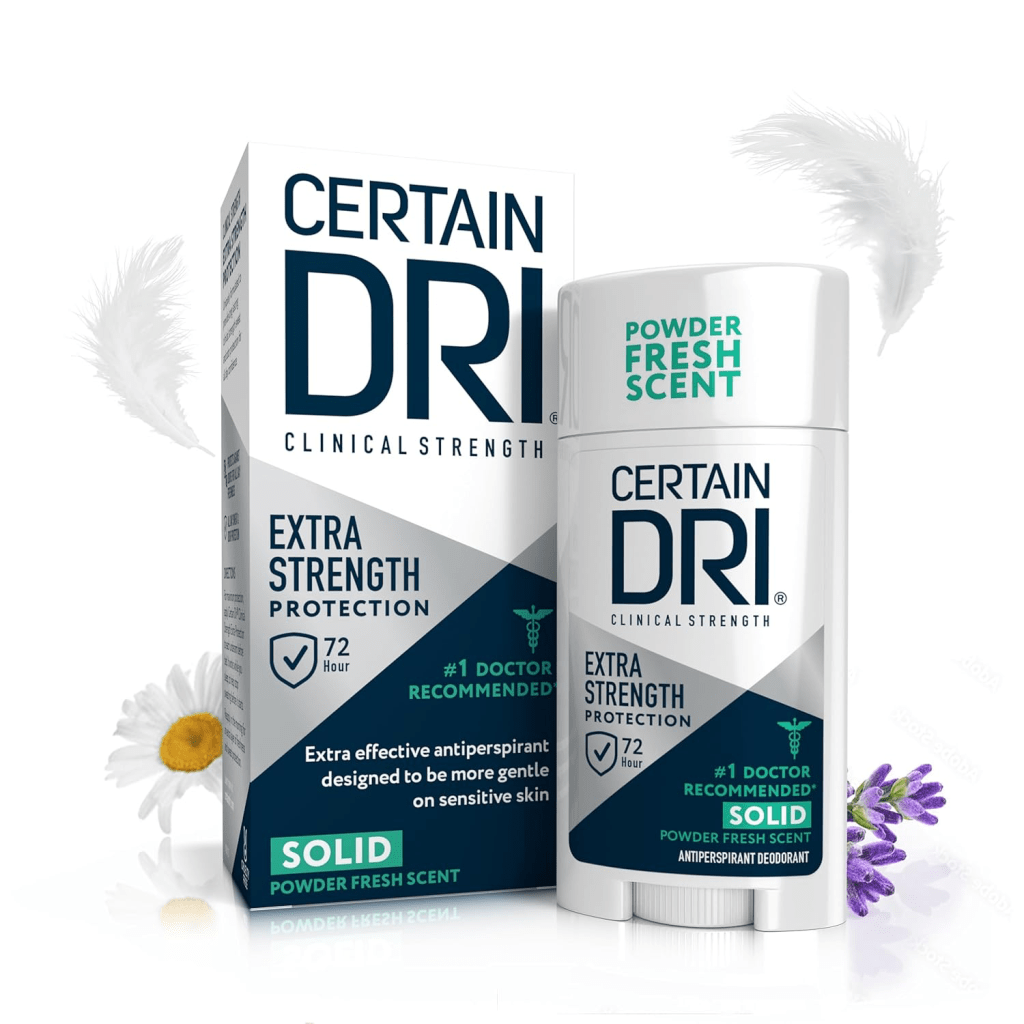
Best Overall (Clinical Strength)
Certain Dri Extra Strength Clinical Antiperspirant
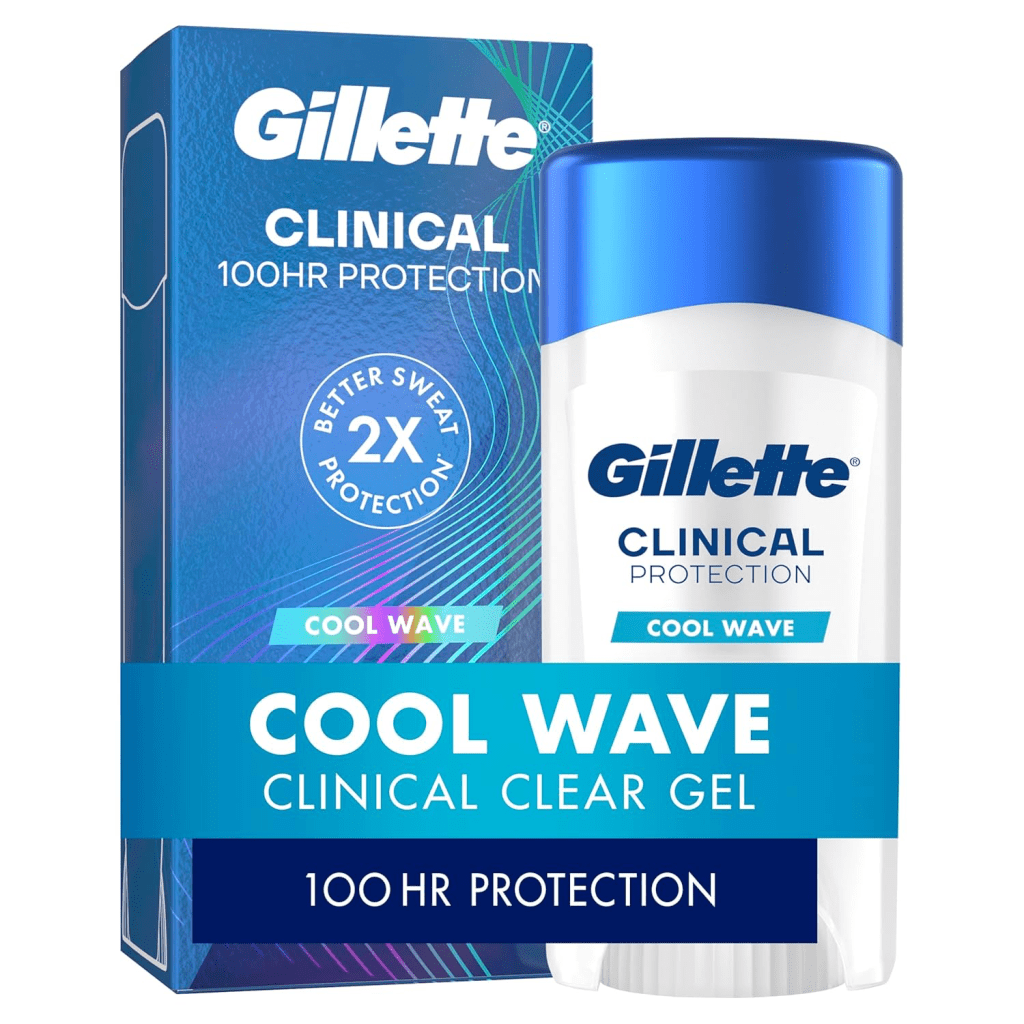
Alternative
Gillette Clinical Strength Antiperspirant
💡 Pro Tip: Apply antiperspirant at night
This allows the active ingredients to work more effectively while you sleep.
Step 4: Add a Deodorant Layer (For Odor Protection)
Even if you use antiperspirant, adding deodorant boosts odor protection.
Deodorants:
- Kill bacteria
- Neutralize odor
- Add fragrance
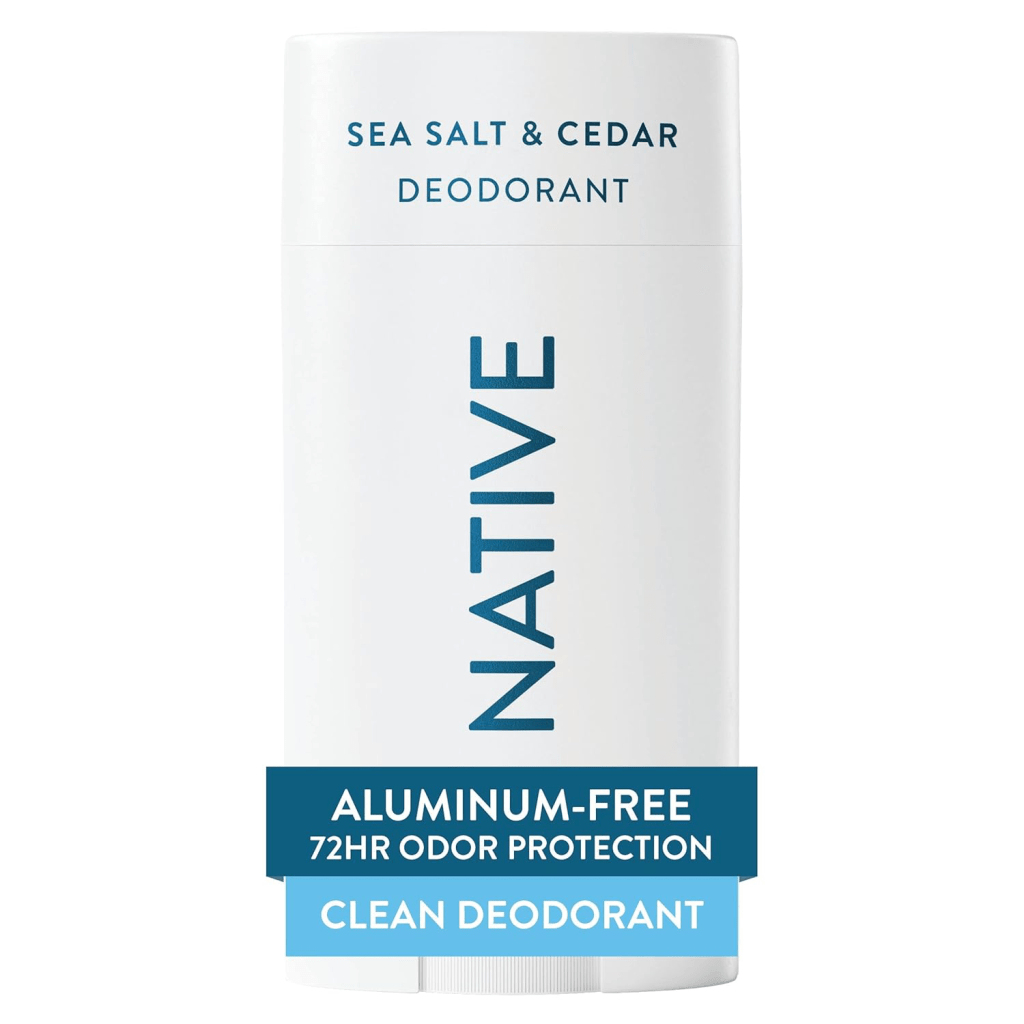
Recommended Daily Deodorant
Aluminum-Free Natural Deodorant
💡 Great for:
- Sensitive skin
- Light to moderate sweating
- Layering with antiperspirant
Step 5: Wear Breathable Fabrics
Your clothing plays a huge role in sweat and odor.
Best fabrics:
- Cotton
- Bamboo
- Moisture-wicking athletic fabrics
Avoid:
- Tight synthetic fabrics (trap sweat & bacteria)
Step 6: Target Problem Areas (Feet, Groin, Back)
Some areas require specialized care.
Feet Odor Tips
- Use antifungal powders
- Rotate shoes
- Wear moisture-wicking socks
Heavy Sweating Areas
Consider clinical solutions like:
SweatBlock Clinical Antiperspirant System
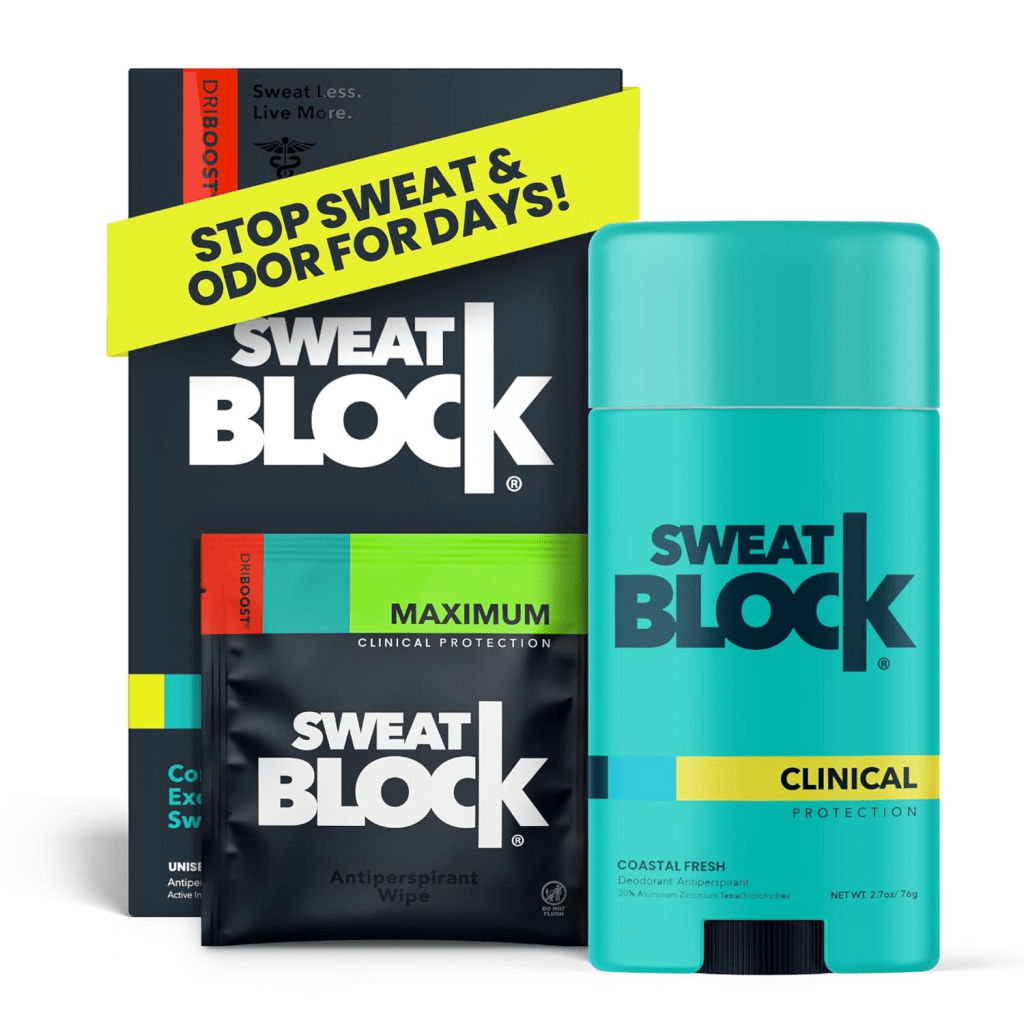
👉 Ideal for:
- Hyperhidrosis
- Stress sweating
- Long workdays
Step 7: Maintain a Sweat-Friendly Lifestyle
Your habits affect how much you sweat and how you smell.
Diet Matters
Certain foods can increase odor:
- Garlic
- Onion
- Alcohol
- Spicy foods
These can change sweat composition and intensify odor.
Stay Hydrated
More water = diluted sweat = less odor
Manage Stress
Stress activates apocrine glands, increasing odor-prone sweat.
Common Mistakes to Avoid
❌ Applying deodorant on dirty skin
❌ Using only deodorant when you need antiperspirant
❌ Skipping nighttime application
❌ Wearing non-breathable clothing
❌ Not reapplying after workouts
Final Thoughts: Build Your Personalized Routine
There’s no one-size-fits-all solution to sweat and odor. Your ideal routine depends on:
- How much you sweat
- Your skin type
- Your daily activity level
👉 For best results, combine:
- Good hygiene
- Clinical-strength antiperspirant (if needed)
- Deodorant for odor control
- Lifestyle adjustments
With the right approach, staying fresh all day is absolutely achievable.
FAQ
How do I stop sweating completely?
You can’t (and shouldn’t). Sweating is essential for regulating body temperature, but antiperspirants can significantly reduce it.
Is deodorant enough?
If you sweat lightly, yes. Otherwise, use antiperspirant.
Are aluminum antiperspirants safe?
Current research shows no proven link to serious health risks.
 Gentleman Care
Leave a comment